The Best Wood for Kindling in a Log Burner (and What to Avoid)
The right kindling means a fire that lights first time. The wrong kindling means ten minutes of coaxing a fire that refuses to catch, a room filling with smoke, and an evening off to a poor start.
The right kindling means a fire that lights first time. The wrong kindling means ten minutes of coaxing a fire that refuses to catch, a room filling with smoke, and an evening off to a poor start.
The difference is usually the wood. This guide covers the best types to use, the ones to avoid, and the one thing that matters more than species: how dry it is.
Key Takeaways
→ Dry softwood (pine, spruce, larch) is the ideal kindling — it ignites fast and splits easily
→ Moisture content matters more than wood species: aim for under 20%, ideally under 15%
→ Birch is the best hardwood option for kindling, with fast ignition and clean burning
→ Never burn treated, painted, or varnished wood, regardless of species
→ Pallet wood (HT-stamped) is an excellent free source if you know what to look for
Why Kindling Wood Matters
Kindling's job is specific: catch quickly from a firelighter, generate enough heat to bring the firebox up to temperature, and transfer that heat to the main logs. It's a starter, not a fuel.
For that to work reliably, kindling needs to be dry, low-density, and straight-grained enough to split into small pieces. A thick, damp piece of oak makes poor kindling no matter how well you split it. A thin, dry piece of pine lights in seconds.
Get the kindling right and the rest of the fire follows naturally.
The Best Softwoods for Kindling
Softwood is the first choice for kindling in any log burner or fireplace. It ignites at lower temperatures than hardwood, splits more easily, and produces a quick, hot flame that gets the firebox moving fast.
Pine
Pine is the gold standard for kindling. It splits easily along the grain, ignites very quickly, and produces a clean, bright flame. It burns through fast — which is fine, because kindling is only needed for a few minutes to bring the fire up to temperature. Pine is widely available, often used in pallet wood, and handles particularly well with a wall-mounted splitter.
Spruce
Spruce is similar to pine in most respects — easy to split, fast to ignite, and reliable for fire-starting. It's often found alongside pine in wood deliveries and pallet wood, and performs equally well as kindling.
Larch
Larch burns slightly hotter than pine or spruce and ignites almost as quickly. It produces a few more sparks than the two softwoods above, so keep that in mind with an open fireplace. For log burners with a glass door, it's a solid choice.
Cedar
Cedar is fragrant when burned and works well as kindling. The aromatic oils in the wood catch quickly and burn hot. Less common in UK wood supplies than pine or spruce, but worth using if you have it.
Using Hardwood for Kindling
Hardwood is not the ideal starting material, but it works — particularly when properly seasoned and split thin.
Birch
Birch is the exception among hardwoods: it has a relatively low density compared to oak or ash, and the papery bark catches flame quickly. It produces less smoke than pine and burns cleanly. If you have birch in your wood store, it makes excellent kindling.
Ash
Ash lights reasonably well even when slightly green, which is unusual among hardwoods. When well-seasoned and split thin, it makes decent kindling — slower to catch than softwood, but consistent.
Oak
Oak is dense and slow to ignite. As your primary fuel, it's one of the best — it burns long and hot. As kindling, it's the most difficult option. If you're using oak for kindling, split it very thin and start from the edges of a piece rather than the centre.
The Most Important Factor: Moisture Content
Species matters less than dryness. Damp softwood is harder to light than dry oak. The practical target for kindling is under 20% moisture content — and the lower, the better.
How to check: A basic moisture meter costs around £10 and is one of the most useful things you can have if you're serious about reliable fires. Stick the probes in and read the number. Under 20% and you're good. Under 15% and you'll get a fire going quickly every time.
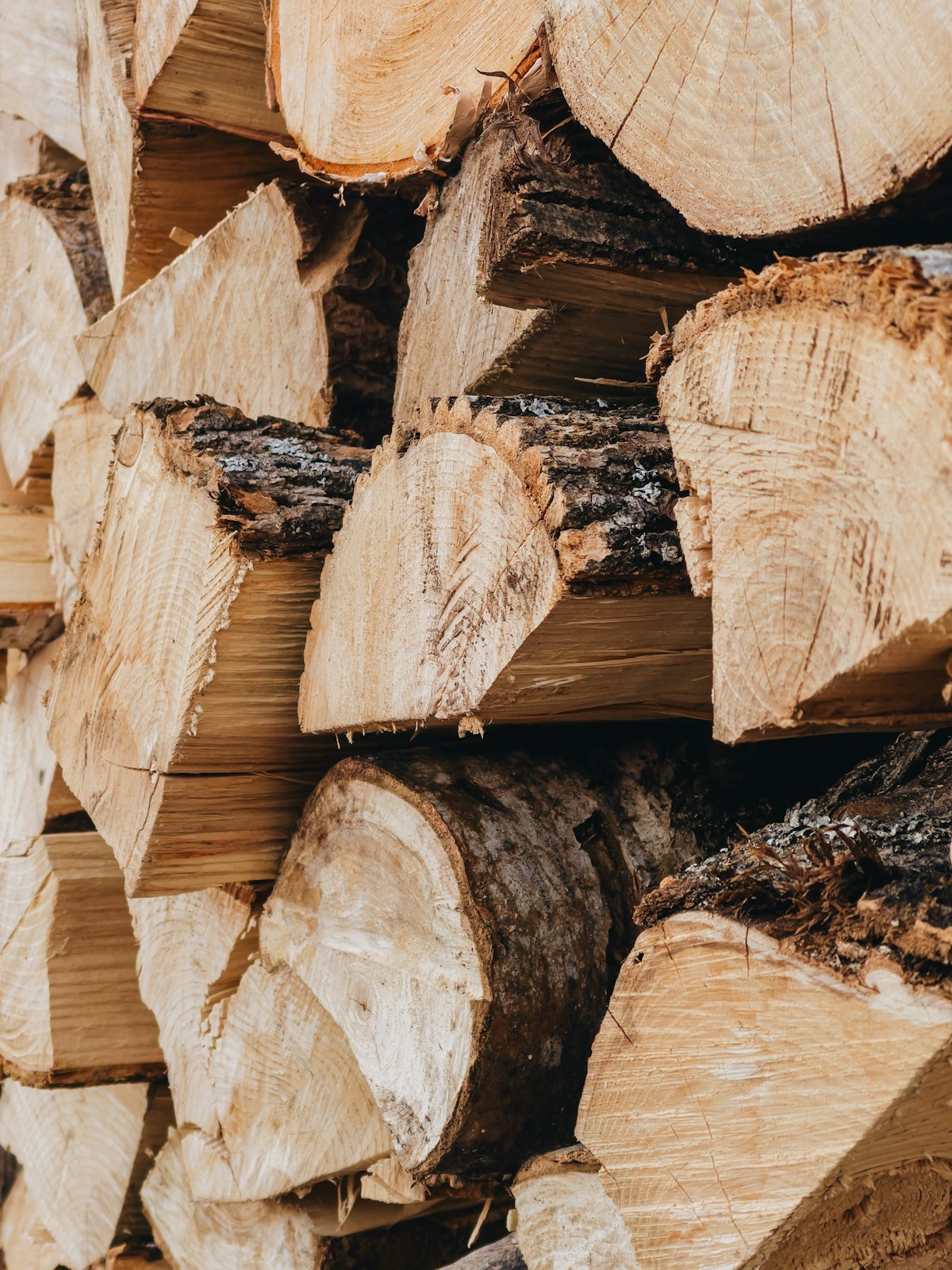
Signs of damp wood: Heavy for its size; checks (cracks) haven't appeared at the ends; bark doesn't come off easily; grey or dark colouration.
Signs of dry wood: Lightweight; visible end-grain checking (cracks radiating from the centre); bark lifts off; pale colouration.
Buying kiln-dried kindling removes the guesswork entirely — it's dried to under 20% moisture before it reaches you.
Pallet Wood: A Free Kindling Source Worth Knowing About
Pallet wood is usually pine or spruce — the ideal kindling softwoods — and it's available free from supermarkets, builders merchants, and garden centres if you know to ask.
The key rule: only use pallets stamped HT (heat treated) or KD (kiln dried). These have been processed without chemicals and are safe to burn. Never burn pallets stamped MB (methyl bromide) — the fumes are harmful.
Pallet slats split exceptionally easily with a wall-mounted kindling splitter. The thin, straight-grained softwood requires almost no effort and a standard pallet yields 30–50 pieces of usable kindling. For regular fireplace users, it's an excellent way to keep kindling costs near zero.
What to Avoid
Damp or unseasoned wood — produces steam before flame and makes fire-lighting unreliable.
Treated, painted, or varnished wood — releases chemical fumes when burned; not safe for an indoor fireplace.
MDF, chipboard, or engineered wood — these are bonded with resins and adhesives that produce harmful fumes.
Very resinous softwood in large quantities — pine and spruce are fine as kindling, but burning them as a primary fuel can cause faster creosote build-up in the flue. Use them to start the fire, then switch to seasoned hardwood.
Pallet wood without an HT or KD stamp — unknown treatment; leave it.
How to Split Kindling Efficiently
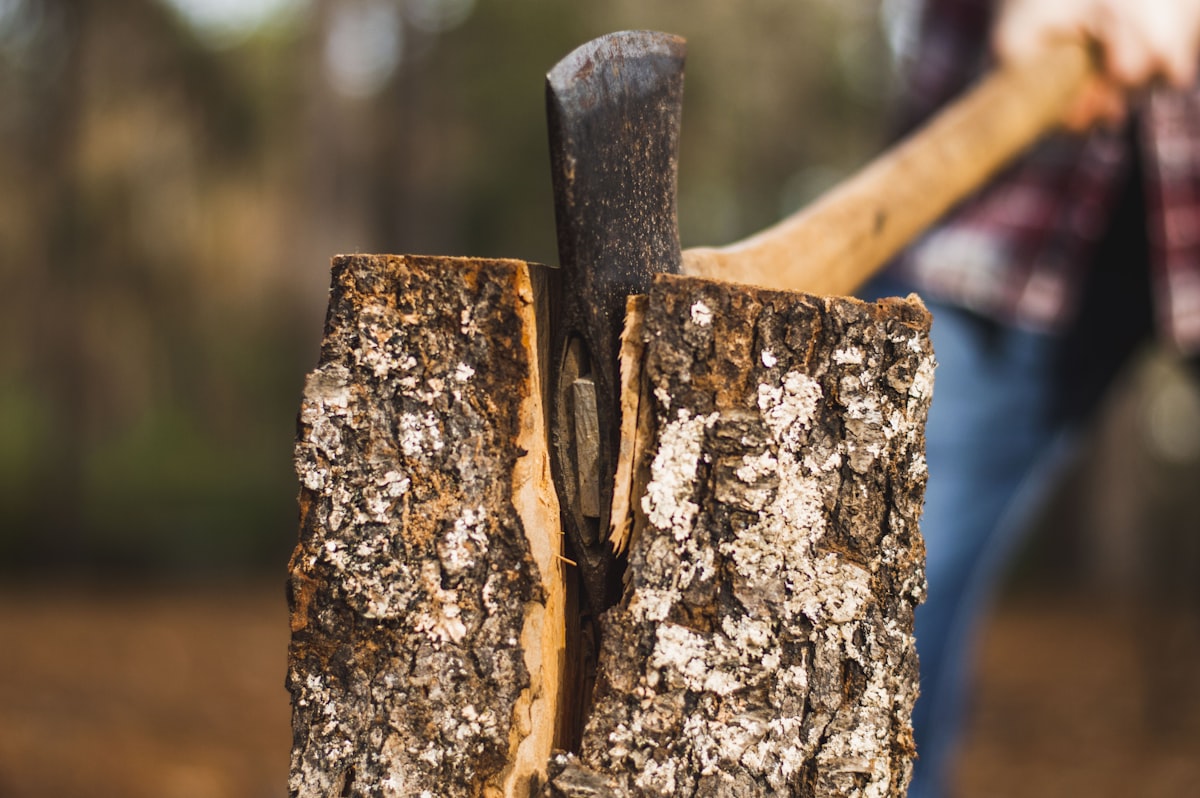
Once you have the right wood, getting it split into usable pieces is the next step. Softwood splits very easily; hardwood needs a bit more work.
A wall-mounted kindling splitter makes this straightforward for either type. Skadi mounts at around 1.2 metres from the ground, so you're working at standing height — no bending. The blade is fixed; you bring the wood to it. Press from the corners and edges, work through to the centre for larger pieces.
For softwood like pine, pallet slats, and spruce, the wood practically falls apart. For dense hardwoods like oak, start thin and work patiently from the outside edges inward.
Pine | Softwood | Very easy | Very fast | Best all-round kindling
Spruce | Softwood | Very easy | Very fast | Equal to pine
Larch | Softwood | Easy | Fast | Slightly more sparks
Birch | Hardwood | Easy | Fast | Best hardwood for kindling
Ash | Hardwood | Moderate | Moderate | Works well when seasoned
Oak | Hardwood | Harder | Slow | Split very thin
Pallet wood | Usually softwood | Very easy | Very fast | Free; check HT/KD stamp
Conclusion
The best kindling is dry softwood — pine, spruce, or larch if you have it, or birch if you're working with hardwood. Moisture content is the most important variable: under 20% for reliable fire-lighting, under 15% for the best results.
Once you have good wood, splitting it efficiently is what determines how much effort fire-lighting actually takes. Skadi's wall-mounted design makes processing kindling quick, safe, and easy on your back — whether you're working through a bag of seasoned softwood or a stack of HT pallet slats.
Frequently Asked Questions
Is softwood or hardwood better for kindling?
Softwood is better for kindling. It ignites at lower temperatures, splits more easily, and catches quickly from a firelighter. Hardwood is better as the main fuel once the fire is established. Birch is the exception — it's a hardwood that behaves more like a softwood when it comes to kindling.
How dry does kindling need to be?
Under 20% moisture content for reliable results. Under 15% for quick, consistent fire-lighting. A cheap moisture meter takes the guesswork out of checking.
Can I use green wood for kindling?
Green (unseasoned) wood has very high moisture content and is difficult to ignite. It will produce more smoke than flame and can prevent your main logs from catching. Dry it first — at least a season (six to twelve months) in a well-ventilated space.
What's the best kindling to buy in the UK?
Kiln-dried pine or spruce kindling is the most widely available and most reliable. Look for bags labelled "kiln dried" with a moisture content under 20%. Many firewood suppliers also sell kindling bundles; quality varies, so a moisture meter is useful for checking.